

 The International Bioacoustics Society (IBAC) was founded in Århus, Denmark, in September 1969. Its objective is to promote international participation throughout the entire field of bioacoustical activity. Its primary achievement since then has been the organising of twenty-seven bioacoustic symposia and congresses in thirteen different countries.
What is bioacoustics?
Bioacoustics is the scientific study of biological sounds. It is concerned with the following topics:
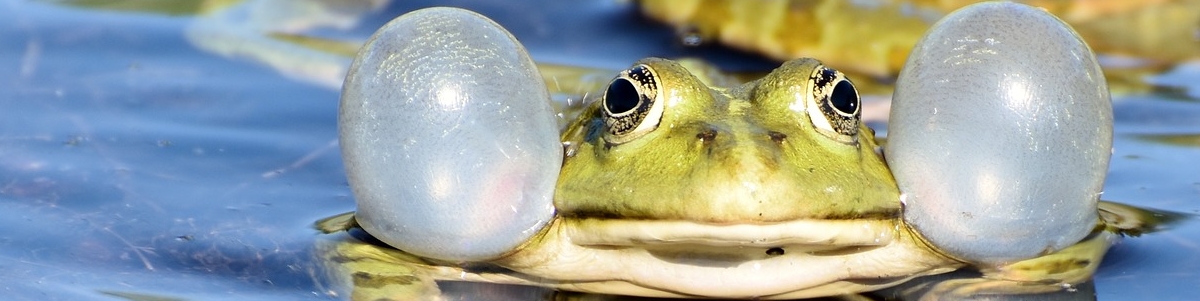
- Sound production in animals, including anatomy and neurophysiological processes
- Sound propagation in water and air
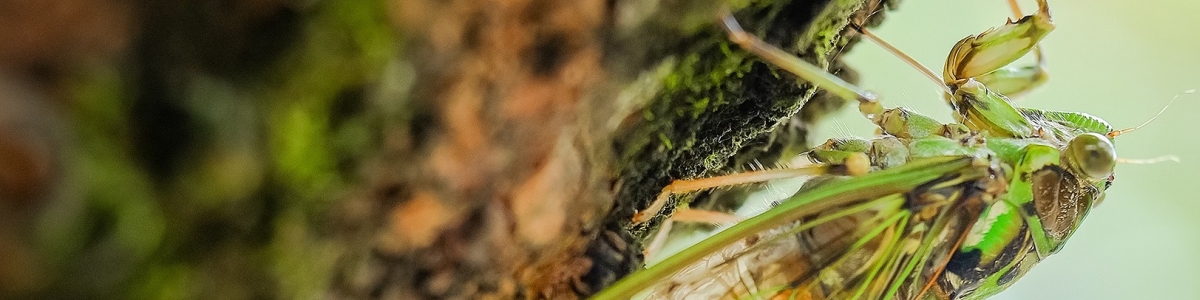
- Vibrational communication of insects
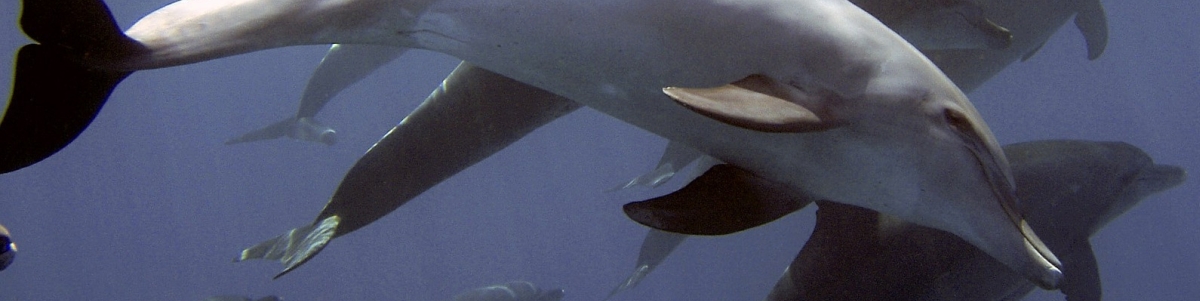
- Biosonar or echolocation of bats and dolphins
- Ultrasonic signals (>20,000 Hz) of insects, rodents, bats and dolphins
- Infrasonic signals (<20 Hz) of large mammals
- Sound reception capabilities and mechanisms of animal hearing
- Ethology of animal acoustic communication
- Evolution, ontogeny and development of acoustic behaviour
- Relationships between animal sounds and their environment
- Effects of man-made sounds on animals
- Computational analysis of acoustic signals and machine learning for taxonomic studies and for calibrating biodiversity
- Practical bioacoustic applications, in wildlife monitoring and in pest control
The development of bioacoustics dates effectively from the 1950s, when practical recording and analysing methods became readily available to the scientific community.
The subject of bioacoustics is principally a marriage between the fields of biology and physical acoustics. Given its multidisciplinary nature, IBAC aims to bring together, in informal settings, biologists from different specialisms (ethologists, physiologists, taxonomists, etc) with engineers, sound archivists and amateur sound recordists, to foster discussion and exchange of ideas.
The International Bioacoustics Society (previously: International Bioacoustics Council) is a nonprofit organization registered in Saint-Etienne, France, in 2019. For full details, please see the "Statuts de l’association IBAC".